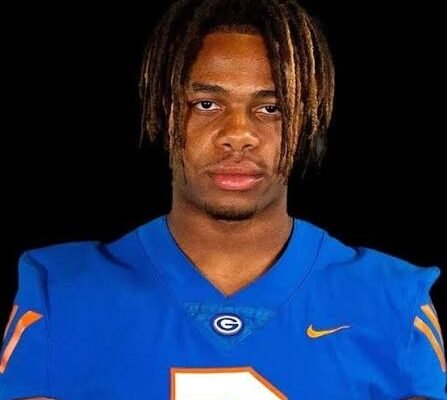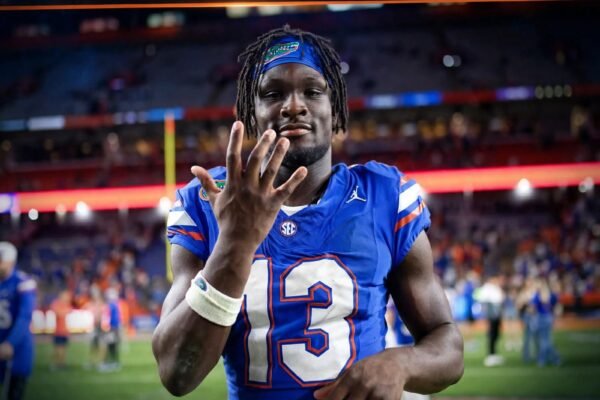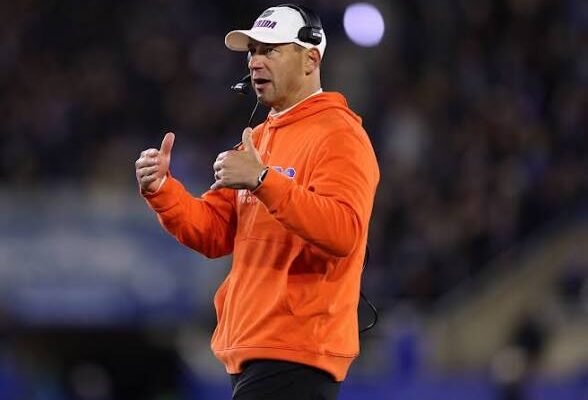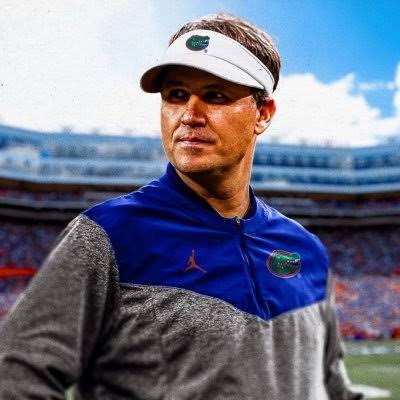

Florida football is finally showing signs of offensive stability. The difference starts with Aaron Philo’s legs.
The Gators defeated No. 11 Kentucky 21-14 on Saturday. That result pushed Florida four places higher in The Athletic’s latest SEC vibes rankings. The Gators climbed from No. 13 to No. 9.
Their overall record now stands at 6-4. More importantly, Florida has reached 4-4 in conference play.
The biggest development wasn’t simply another victory. It was Philo’s return to the starting lineup.
The quarterback rushed for 102 yards against Kentucky. His second-half touchdown provided the decisive score. That performance exposed something Florida’s offense had previously struggled to establish.
Defensive coordinators now have another problem to solve.
The Tape & Scheme Analysis: Aaron Philo Is Changing Florida’s Offensive Mathematics
Buster Faulkner appears to have identified Florida’s most effective offensive weapon. It isn’t necessarily another complicated passing concept. It’s quarterback mobility.
Philo’s 102 rushing yards against Kentucky demonstrated the value of incorporating his running ability. His presence changes defensive responsibilities before the football is snapped.
Traditional defensive structures prioritize controlling the running back. They also account for the quarterback’s passing options.
A mobile quarterback introduces another responsibility.
The backside defender cannot automatically crash toward the running back. Doing so creates opportunities for quarterback keepers and designed runs.
That hesitation matters.
It can create wider running lanes for the backfield. It can also improve the offense’s ability to attack defensive edges.
Why Faulkner’s Georgia Tech Experience Matters
Faulkner previously worked with Haynes King at Georgia Tech. King demonstrated how quarterback mobility could become a central component of an offensive system.
The comparison offers an important blueprint.
Florida doesn’t necessarily need Philo to become a traditional pocket passer overnight. Instead, the offense can build around his current strengths.
That means incorporating designed quarterback runs, read-option concepts and occasional quarterback keepers.
However, the balance matters.
Florida cannot allow opposing defenses to sell out against the quarterback run. Philo must remain capable of punishing aggressive fronts with timely throws.
The passing game still needs intermediate completions. Defenses must respect vertical routes and outside receivers.
Otherwise, opponents can compress the field.
The Offensive Line’s Changing Responsibilities
Philo’s mobility also changes the offensive line’s responsibilities.
Zone-blocking concepts become particularly useful when defenders must account for multiple ball carriers.
The offensive tackles must maintain their assignments. Interior linemen must create movement without abandoning their leverage.
Most importantly, the backside blocking cannot become an afterthought.
A defensive end who penetrates too aggressively can disrupt quarterback-read concepts. Conversely, an undisciplined edge defender can surrender substantial rushing yards.
Florida’s offensive line must therefore remain assignment-sound.
The objective isn’t simply generating rushing yards. It’s forcing defenses to defend multiple possibilities simultaneously.
Ball Security Remains the Biggest Concern
There is one important warning.
Faulkner’s approach works only when Philo protects the football.
Quarterback runs naturally introduce additional contact. Every scramble creates opportunities for defenders to attack the football.
Florida cannot exchange turnovers for occasional explosive plays.
The Kentucky performance suggests a simpler offensive identity is producing results. Maintaining that discipline against stronger defensive fronts will determine whether this improvement lasts.
Recruiting & Roster Depth Context: Florida Needs More Than One Mobile Quarterback
Florida’s offensive development also creates an important roster-building question.
Can the Gators sustain this identity beyond Philo?
Quarterback mobility should influence how Florida evaluates future recruiting targets. The coaching staff needs quarterbacks who combine athletic ability with functional passing skills.
A four-star quarterback with legitimate running ability could become particularly valuable.
However, recruiting rankings alone cannot establish offensive compatibility.
Florida needs quarterbacks who understand defensive leverage, recognize pressure and make decisions quickly.
The ideal prospect offers three things:
- Pocket presence: Ability to remain composed when defensive pressure arrives.
- Rushing production: Enough athleticism to punish defensive ends and linebackers.
- Passing development: Accuracy and decision-making that prevent defenses from stacking the box.
The existing quarterback hierarchy also deserves attention.
Philo’s return has strengthened his immediate position. His performance against Kentucky gives Faulkner a compelling reason to continue developing this approach.
But Florida must maintain competition behind him.
A backup quarterback should offer enough mobility to preserve the offensive structure. Otherwise, an injury could force Faulkner to abandon an established system.
The offensive line remains equally important.
Florida needs dependable tackles and interior blockers who can execute both conventional run schemes and quarterback-option assignments.
Wide receivers also have an important responsibility. Their blocking can determine whether perimeter runs become explosive gains.
The bigger recruiting lesson is straightforward.
Florida should recruit an offensive identity, not simply individual star ratings.
The Projected Depth Chart Impact
Philo’s Kentucky performance creates a clearer offensive hierarchy heading into Vanderbilt.
| Position | Projected Role | Impact Against Vanderbilt |
|---|---|---|
| Quarterback | Aaron Philo | Retains starting opportunity after 102 rushing yards |
| Backup QB | Next available quarterback | Provides injury insurance and competition |
| Running Back | Primary rotation | Benefits from defensive attention shifting toward Philo |
| Offensive Tackles | Starting offensive line | Must protect the edges and maintain blocking assignments |
| Interior Offensive Line | Starting interior rotation | Responsible for creating interior rushing lanes |
| Wide Receivers | Starting receiving rotation | Must punish defensive coverage adjustments and sustain perimeter blocks |
| Offensive Coordinator | Buster Faulkner | Expected to continue emphasizing Philo’s mobility |
Biggest change: Florida’s quarterback position now offers a legitimate rushing threat. That changes how opposing defenses approach the entire offense.
The SEC Outlook: Florida Has Momentum, But Vanderbilt Is Another Test
Florida’s rise to No. 9 in The Athletic’s SEC vibes rankings reflects improved expectations.
The Gators entered Week 11 with considerable questions. Now, they’ve defeated No. 11 Kentucky and reached bowl eligibility territory with six victories.
However, momentum doesn’t guarantee sustained improvement.
Vanderbilt presents another opportunity to test Florida’s offensive development. The Commodores will have to account for Philo’s running ability.
That could create opportunities for Florida’s running backs and passing attack.
The Gators must avoid becoming predictable. Faulkner needs to maintain enough passing variety to prevent defensive coordinators from loading the box.
The broader SEC picture remains demanding.
Georgia continues to occupy the top position in Emerson’s rankings. Tennessee, Texas and Alabama follow. Arkansas and Oklahoma have also strengthened their conference momentum.
Florida still has ground to recover.
My prediction: Florida has a legitimate opportunity to finish the regular season 7-5. The Vanderbilt matchup is particularly important because it tests whether Kentucky represented genuine offensive progress.
A victory would strengthen confidence in Faulkner’s adjustments. Another inconsistent offensive performance would raise familiar questions.
For now, Florida has discovered something valuable.
Philo doesn’t need to win games exclusively through his arm. His mobility can make everyone around him more dangerous.
The next challenge is proving Kentucky wasn’t an isolated breakthrough.
The Bottom Line
Florida’s four-position jump in the SEC vibes rankings reflects something bigger than public perception.
The Gators finally have an offensive approach that opponents must respect.
Faulkner’s decision to maximize Philo’s rushing ability has changed the equation. Now, defensive coordinators must account for another legitimate ball carrier.
The question isn’t whether Philo can run.
He’s already demonstrated that.
The real question is whether Florida can turn that advantage into a sustainable offensive identity against the SEC’s toughest defenses.