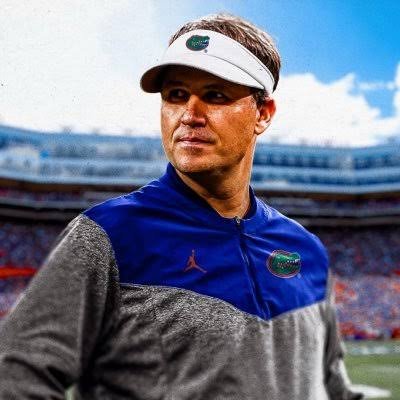

Florida’s 26-10 victory over Florida State delivered more than another rivalry trophy. It strengthened Jon Sumrall’s recruiting pitch at a critical point in his first season.
Several highly regarded prospects are now evaluating Florida’s direction. The Gators finished the regular season with three consecutive victories. That momentum could become important during the recruiting cycle.
Florida entered Sumrall’s first season needing more than improved results. The program needed credibility, stability, and a recognizable football identity.
The victory in Tallahassee provided another piece of that foundation.
According to On3’s recruiting coverage, multiple highly regarded targets have shared their impressions of Florida’s progress following the rivalry victory.
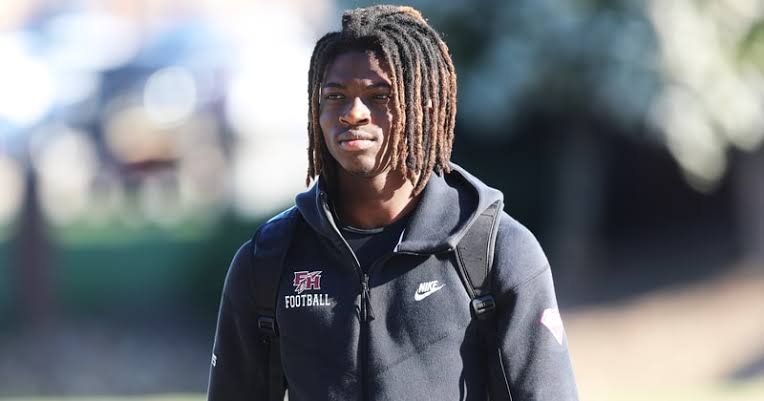
Among the prospects highlighted is four-star defensive back Izayah Vickers from Quincy, Florida. He ranks 14th among players in the state.
His recruitment deserves particular attention as Florida attempts to strengthen its defensive backfield.
The Tape & Scheme Analysis: Florida’s Defensive Identity Is Becoming a Recruiting Asset
Florida’s defensive performance against Florida State demonstrated an important part of Sumrall’s developing football identity.
The Gators limited the Seminoles to 10 points. They also recorded two interceptions, disrupting Florida State’s offensive rhythm.
That defensive production matters when evaluating potential defensive recruits.
Elite high school defensive backs want opportunities within systems that emphasize coverage discipline, communication, and positional versatility.
Florida’s performance offered another example of those principles translating onto the field.
The secondary’s ability to capitalize on quarterback mistakes strengthens the recruiting message.
Defensive backs are evaluated on more than interceptions. Coaches examine leverage, route recognition, recovery speed, and communication against different offensive formations.
Florida needs defenders capable of handling both man coverage and zone responsibilities.
Against modern spread offenses, that flexibility becomes essential.
Cornerbacks must recognize bunch formations, communicate coverage switches, and maintain proper leverage. Safeties must identify vertical threats without abandoning underneath responsibilities.
Those details separate productive SEC defensive backs from physically talented prospects who struggle with assignments.
Florida’s defensive performance also highlighted the importance of complementary football.
The offense did not need an explosive passing performance to secure the rivalry victory.
Jadan Baugh established an early rushing touchdown. Tramell Jones Jr. added another rushing score after entering following Aaron Philo’s injury.
Florida secured its 26-10 victory despite the quarterback situation changing during the contest.
That adaptability deserves attention.
The offensive staff demonstrated its willingness to lean on the running game when circumstances demanded it.
A physical ground attack can protect inexperienced quarterbacks and control possession. It also helps limit defensive exposure.
For offensive recruits, the message involves opportunity within a developing system.
Florida needs physical offensive linemen, dependable blocking tight ends, and receivers capable of stretching defenses vertically.
However, passing consistency remains an important area for improvement.
The rivalry performance demonstrated defensive reliability more convincingly than offensive explosiveness.
That distinction matters when competing against elite SEC recruiting programs.
Recruiting & Roster Depth Context: Four-Star Targets Have Reasons to Pay Attention
Florida’s recruiting momentum increasingly revolves around Sumrall’s ability to connect on-field improvement with roster development.
Four-star prospects want evidence that a program can develop talent and compete against elite opposition.
The rivalry victory provides another positive reference point.
Izayah Vickers deserves particular attention.
The Quincy defensive back ranks 14th among Florida prospects. Landing a player with that profile would strengthen Florida’s secondary pipeline.
His recruitment also carries geographic significance.
Keeping highly ranked Florida prospects inside the state remains essential.
Georgia, Alabama, Florida State, and other national programs regularly pursue the same defensive talent.
Sumrall understands that competition.
His recruiting strategy must combine relationships, development opportunities, and tangible results.
Florida’s three-game winning finish gives the coaching staff additional evidence when discussing the program’s direction.
The Gators also have an opportunity to sell a more competitive defensive environment.
Florida’s projected recruiting priorities include:
- Cornerback: Add another high-level coverage defender capable of handling SEC receivers.
- Safety: Improve communication, range, and versatility across multiple coverage structures.
- Edge rusher: Recruit explosive athletes who can consistently pressure opposing quarterbacks.
- Offensive line: Build enough depth to maintain physicality against SEC defensive fronts.
- Wide receiver: Add vertical threats who can create separation and stretch opposing coverage.
The objective is not simply accumulating four-star commitments.
Florida needs prospects whose physical profiles match its developing offensive and defensive identities.
That distinction will determine whether recruiting momentum translates into meaningful roster improvement.
The Projected Depth Chart Impact
The recruiting implications extend beyond individual commitments. Florida must build competition across several position groups.
Position| Current Development| Recruiting Priority| Projected Impact
Cornerback| Existing secondary competition| Four-star coverage talent| Increased competition
Safety| Coverage communication and versatility| High-level defensive back| Better secondary depth
EDGE| Pass-rush consistency| Explosive pass rusher| Improved pressure packages
Offensive Line| Establishing physical identity| Blue-chip blockers| Stronger rotation
Wide Receiver| Developing vertical passing attack| Dynamic outside receiver| More explosive options
Running Back| Jadan Baugh remains central| Long-term depth| Improved succession planning
One position deserves special attention: defensive back.
Florida cannot consistently compete against elite SEC passing attacks without multiple reliable coverage options.
Recruiting a player such as Vickers would give the staff another opportunity to strengthen that foundation.
The coaching staff must also consider development timelines.
Incoming freshmen rarely solve every defensive problem immediately.
The strongest recruiting classes combine immediate contributors with players who develop into starters during their second and third seasons.
That is the roster-building challenge facing Sumrall.
The SEC Outlook: Florida Has Momentum, but Recruiting Must Deliver
Florida finishes the regular season at 8-4, including a 5-4 SEC record.
That represents meaningful progress following the previous season’s 4-8 campaign.
More importantly, Sumrall has demonstrated that Florida can compete against ranked opposition.
Victories over Ole Miss, Texas, and Kentucky established that credibility. The FSU victory added another important rivalry result.
However, recruiting momentum cannot become an excuse for overlooking roster weaknesses.
Georgia remains a major obstacle in Florida’s recruiting battles. Alabama, Texas, LSU, and other SEC competitors continue pursuing elite prospects.
Florida must turn positive evaluations into official visits, commitments, and ultimately signed players.
Florida’s next challenge is converting recruiting interest into blue-chip commitments.
The Gators should prioritize defensive backs and pass rushers. Those positions offer substantial long-term value in the SEC.
The rivalry victory did not solve every roster problem.
It accomplished something equally important.
It gave Florida’s coaching staff another legitimate reason to believe the program is moving in the right direction.
Now comes the difficult part: turning that belief into blue-chip talent.